

Bad Breath: Real Causes and How to Fix It for Good
Almost everyone deals with bad breath at some point, whether after a garlic heavy meal or first thing in the morning. But when bad breath, known medically as halitosis, becomes a persistent problem no amount of mints or mouthwash seems to fix, it usually means something deeper is going on. Understanding the real bad breath causes is the first step toward solving the problem for good instead of simply masking it. In this guide we will look at what actually produces that unpleasant odor, the everyday habits that make it worse, the home remedies that genuinely help, and when it is time to see a dentist for professional treatment. If you have ever wondered why your breath does not smell fresh no matter how often you brush, this article will help you finally get to the bottom of it.
What Causes Bad Breath
Most bad breath starts in the mouth itself, and the main culprit is bacteria. Your mouth naturally hosts hundreds of species of bacteria, and many of them release foul smelling sulfur compounds as they break down food particles, dead cells, and mucus. When these bacteria build up on the tongue, between teeth, or along the gum line, the odor they produce becomes noticeable in your breath.
Poor oral hygiene is the single biggest contributor, since leftover food particles and plaque give bacteria plenty to feed on. Certain foods such as onions, garlic, and strong spices contain compounds that enter the bloodstream after digestion and are eventually released through the lungs, which is why brushing alone cannot fully mask their smell until the body processes them. Smoking and tobacco use dry out the mouth and leave a distinct odor of their own, while also increasing the risk of gum disease, another major cause of chronic bad breath. Less commonly, bad breath can be linked to sinus infections, tonsil stones, acid reflux, or underlying medical conditions such as diabetes or liver problems, which is why breath that does not improve with better oral care sometimes warrants a broader medical check.
The Bacteria and Plaque Connection
The back of the tongue is one of the biggest hiding spots for odor causing bacteria, since its rough surface traps food debris and dead cells that a toothbrush often misses entirely. Plaque, the sticky film that forms on teeth throughout the day, is essentially a colony of bacteria, and when it is not removed through regular brushing and flossing it hardens into tartar, which is even more difficult to clean and provides a long term home for odor producing bacteria. This is one reason why people who skip flossing often notice worse breath, even if their brushing routine seems thorough, since bacteria trapped between teeth continue producing odor throughout the day.
Bad Breath and Gum Disease
Chronic bad breath is one of the earliest warning signs of gum disease, and the two are closely linked. As bacteria accumulate along and beneath the gum line, they trigger inflammation, which can eventually lead to gum problems such as bleeding, swelling, and in more advanced cases the gums pulling away from the teeth. The pockets that form between the teeth and receding gums become an ideal environment for bacteria to thrive, releasing a persistent foul odor that ordinary brushing cannot fully reach or resolve. If bad breath is accompanied by bleeding gums, tenderness, or loose teeth, it is a strong signal that professional treatment is needed rather than home care alone.
Bad Breath and Dry Mouth
Saliva plays a far bigger role in fresh breath than most people realize. It constantly washes away food particles, neutralizes acids, and helps control the bacteria population in the mouth. When saliva production drops, whether from dehydration, certain medications, mouth breathing, or a medical condition affecting the salivary glands, bacteria multiply more freely and bad breath tends to worsen noticeably. This is why breath often smells worse first thing in the morning, since saliva flow naturally slows down during sleep. People experiencing chronic dry mouth frequently notice that their bad breath does not respond well to typical fixes like brushing or mouthwash until the underlying dryness itself is addressed.
Foods and Habits That Make It Worse
Beyond obviously pungent foods, a few everyday habits quietly contribute to persistent bad breath. Skipping meals or following very low carbohydrate diets can cause the body to burn fat for energy, producing ketones that carry a distinct, sometimes fruity or unpleasant odor on the breath. Excessive coffee consumption dries out the mouth and leaves behind compounds that cling to the tongue. Alcohol has a similar drying effect while also feeding oral bacteria. Even breathing primarily through the mouth, whether from nasal congestion or habit, reduces the natural moisture in the mouth and allows odor causing bacteria to flourish more easily.
Home Remedies That Actually Help
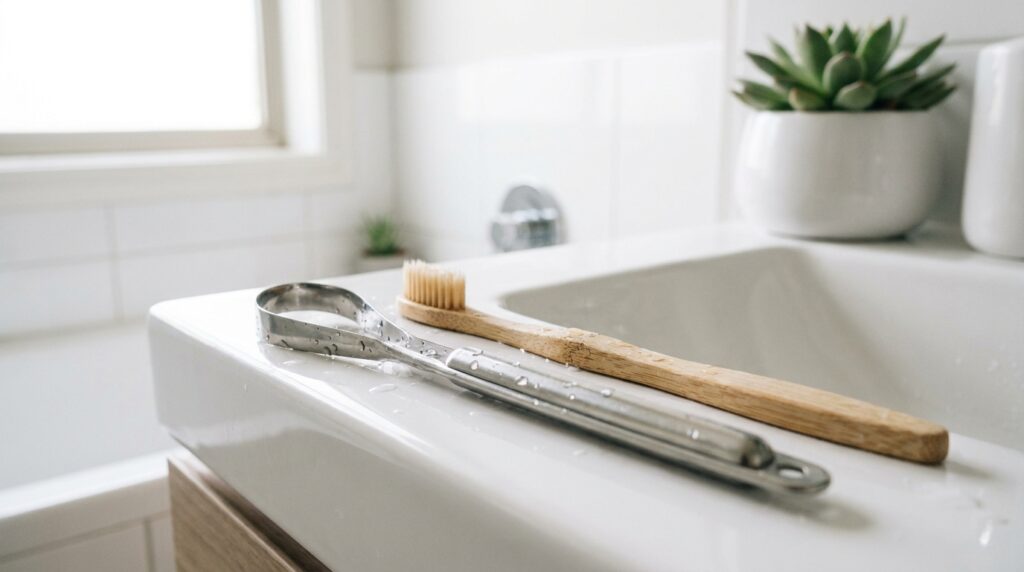
Not every fix for bad breath requires a trip to the dentist. Brushing twice a day, including a gentle brushing or scraping of the tongue, removes a significant portion of the bacteria responsible for odor. Flossing daily clears out trapped food particles between teeth that brushing alone cannot reach. Staying well hydrated throughout the day keeps saliva flow steady, which naturally helps control bacteria levels. Chewing sugar free gum or crunchy foods such as apples and carrots can stimulate saliva production between brushings. An alcohol free mouthwash can help reduce bacteria without further drying out the mouth, unlike some alcohol based rinses which can worsen dryness over time. Cutting back on tobacco, strong smelling foods, and excessive coffee or alcohol also makes a noticeable difference for many people within just a few days.
Bad Breath in Children
Parents are often surprised to learn that children can experience persistent bad breath too, and the causes are sometimes different from what affects adults. Beyond the usual culprits of poor brushing habits or leftover food, a common and often overlooked cause in children is something lodged in the nose, such as a small object or dried mucus, which can produce a distinctly foul odor from one nostril. Mouth breathing, often linked to enlarged tonsils or adenoids, dries out a child’s mouth and reduces the natural cleansing effect of saliva, allowing bacteria to build up more easily. Establishing good brushing and flossing habits early, along with regular dental checkups, helps prevent bad breath from becoming a recurring issue as children grow older.
How Bad Breath Affects Confidence and Daily Life
Beyond the physical causes, chronic bad breath can take a real toll on confidence and social comfort. Many people with persistent halitosis become hesitant to speak closely with others, avoid certain social situations, or rely heavily on gum and mints without ever addressing the underlying cause. This cycle can be frustrating, especially since the person experiencing it is often the last to notice, since our sense of smell adapts to our own breath over time. If you have ever wondered whether your breath is a problem, asking a trusted friend or family member, or simply checking in with your dentist during a routine visit, can provide much more reliable answers than trying to judge it yourself.
When Bad Breath Signals a Bigger Problem
While most bad breath responds well to better oral hygiene, there are clear signs that point to something more serious. If bad breath persists despite consistent brushing, flossing, and tongue cleaning for several weeks, it is worth investigating further. Bad breath paired with bleeding or swollen gums, loose teeth, visible tartar buildup, or a bad taste that will not go away often indicates gum disease or a dental infection. A sudden change in breath odor combined with other symptoms such as heartburn, throat discomfort, or nasal congestion may point toward causes outside the mouth entirely, such as acid reflux or a sinus infection, which would benefit from a broader medical evaluation alongside dental care.
Professional Treatment Options
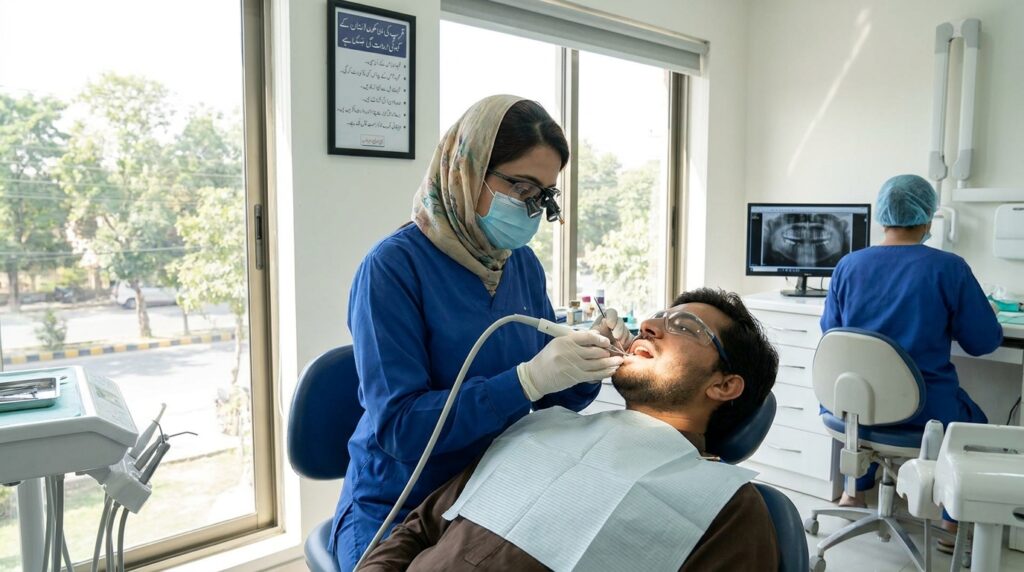
When home care is not enough, a dental visit can make a real difference. A thorough professional teeth cleaning removes hardened tartar and bacteria that a toothbrush cannot reach on its own, often improving breath noticeably within a single visit. If gum disease is contributing to the problem, a deeper cleaning procedure may be recommended to clear bacteria from beneath the gum line and allow the tissue to heal. Dentists can also identify and treat cavities, old fillings, or dental work that may be trapping bacteria, and can refer patients to a physician if the underlying cause appears to be medical rather than dental.
Choosing the Right Products for Fresh Breath
Not every product marketed for fresh breath actually solves the underlying problem. Mints and chewing gum can provide a quick, temporary cover up, but many sugary versions actually feed the bacteria responsible for odor once their flavor fades, working against you rather than for you. Sugar free options are a better choice if you want a quick fix between brushings. When choosing a toothpaste, look for one containing fluoride along with antibacterial properties, since these formulas target the bacteria on the tongue and gum line rather than simply masking odor with mint flavoring. Tongue scrapers, which are widely available and inexpensive, are often more effective than a toothbrush alone at removing the bacterial coating on the tongue, and using one as part of your daily routine can make a noticeable difference within just a few days for many people.
Building a Daily Routine for Fresher Breath
Consistency matters more than intensity when it comes to managing bad breath. A simple, realistic routine tends to work better long term than an elaborate one that is hard to maintain. Start the day with a full brushing session that includes the tongue, followed by flossing at least once daily, ideally in the evening when food particles from the entire day have had time to accumulate between teeth. Keep a bottle of water nearby throughout the day, especially if you work in an air conditioned environment or talk frequently, both of which can dry out the mouth faster than you might expect. If your schedule allows, a midday rinse with water or a quick brush after lunch can help reset your breath during a busy day. Small, sustainable habits like these tend to produce far better long term results than occasional intense efforts followed by weeks of neglect.
Preventing Bad Breath Long Term
The most reliable way to keep bad breath away permanently is consistency rather than any single quick fix. Brushing twice daily, flossing once a day, cleaning the tongue, and staying hydrated form the foundation of fresh breath. Reducing tobacco use, moderating coffee and alcohol intake, and eating a balanced diet with regular meals all support a healthier mouth environment. Scheduling a dental checkup and cleaning every six months ensures that plaque, tartar, and early gum problems are caught and treated before they become a bigger, harder to manage issue.
Frequently Asked Questions
Can bad breath come from the stomach and not the mouth?
In most cases bad breath originates in the mouth, but conditions like acid reflux or certain digestive issues can occasionally contribute, especially if oral hygiene is already good and breath remains persistently unpleasant.
Does mouthwash cure bad breath permanently?
Mouthwash can mask odor temporarily and reduce bacteria for a few hours, but it does not address the underlying cause, so it works best alongside brushing, flossing, and tongue cleaning rather than as a standalone fix.
Why does my breath smell bad even after brushing?
This is often due to bacteria on the tongue, food trapped between teeth, dry mouth, or an underlying issue such as gum disease, all of which need targeted attention beyond regular brushing alone.
Is bad breath a sign of gum disease?
Persistent bad breath is one of the earliest and most common signs of gum disease, especially when it appears alongside bleeding or swollen gums, so it should not be ignored.
How quickly can bad breath improve with better habits?
Many people notice a difference within a few days of consistent brushing, flossing, tongue cleaning, and better hydration, though breath linked to gum disease or dry mouth may take a professional visit to fully resolve.
