
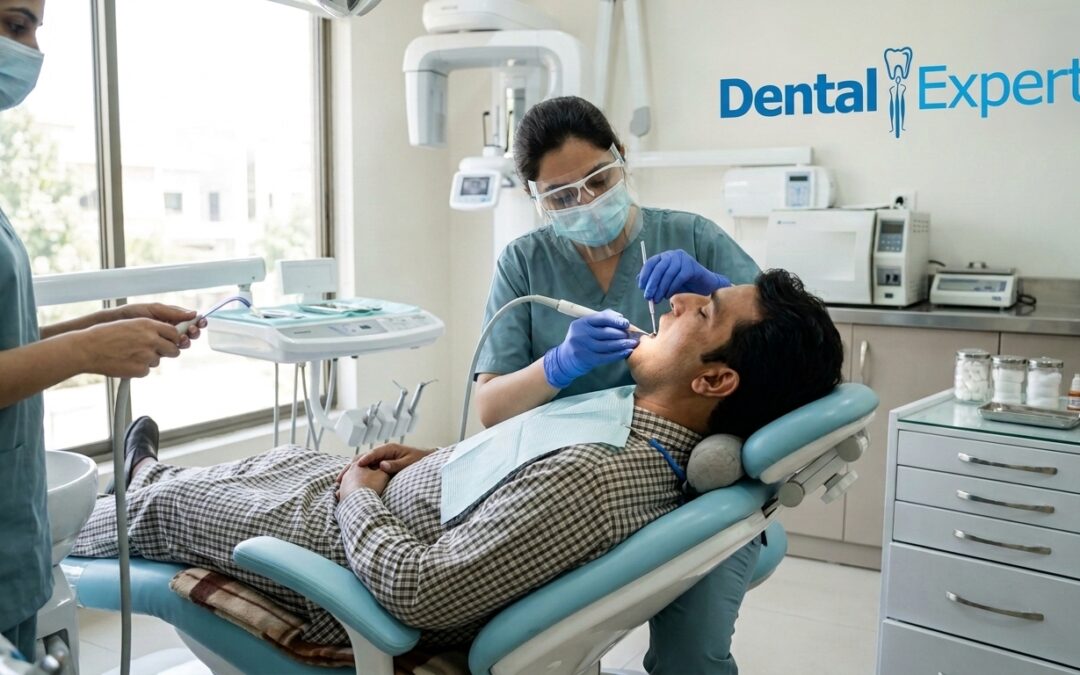
Noticing a bit of blood while brushing or flossing can feel alarming, and it is easy to brush it off as nothing serious. However, bleeding gums are almost never truly normal. In most cases they are the body’s way of signaling inflammation or infection somewhere along the gum line. Combined with swelling, tenderness, or a change in gum color, bleeding is often one of the earliest and clearest warning signs of gum disease, a condition that is highly treatable when caught early but can lead to serious tooth loss if ignored for too long. This guide explains what causes bleeding and swollen gums, how to tell the difference between a minor issue and a more serious one, and the steps you can take at home and with your dentist to protect your gum health for the long term.
Common Causes of Bleeding Gums
The most frequent cause of bleeding gums is plaque buildup along the gum line. Plaque is a sticky film of bacteria that forms constantly on teeth, and when it is not removed thoroughly through brushing and flossing, it irritates the gum tissue and causes inflammation. This inflamed tissue becomes fragile and bleeds easily, even with gentle brushing or normal chewing.
Brushing technique matters too. Using a hard bristled toothbrush or brushing too aggressively can injure the gum tissue directly, causing bleeding that has nothing to do with disease but everything to do with how the brushing is being done. On the other hand, some people avoid brushing a sensitive area altogether, which allows plaque to build up even more and makes bleeding worse over time. Other contributing factors include hormonal changes during pregnancy, which increase blood flow to the gums and make them more reactive to plaque, certain medications such as blood thinners, vitamin deficiencies, particularly of vitamin C and vitamin K, and underlying health conditions that affect blood clotting or immune response.
Gingivitis Versus Periodontitis
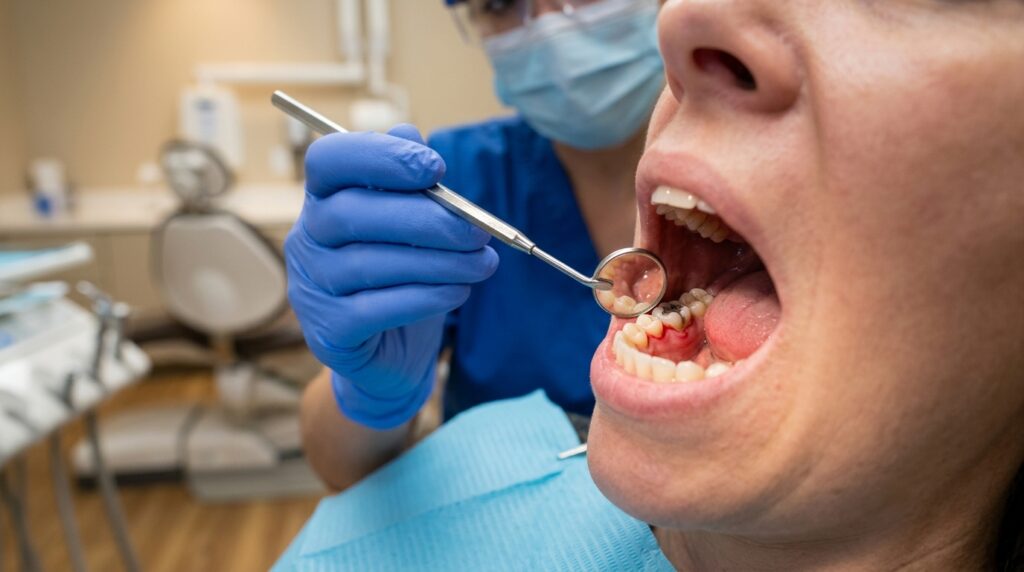
Gum disease develops in stages, and understanding where things stand helps determine the right response. Gingivitis is the earliest and mildest stage, marked by red, swollen, and bleeding gums, but without any permanent damage to the bone or tissue that holds teeth in place. At this stage, gingivitis is fully reversible with improved oral hygiene and a professional cleaning to remove built up plaque and tartar.
If gingivitis is left untreated, it can progress into periodontitis, a more advanced and destructive form of gum disease. At this stage the infection moves below the gum line, breaking down the connective tissue and bone that support the teeth. Gums may begin pulling away from the teeth, forming pockets where bacteria continue to thrive undisturbed. Periodontitis can cause loose teeth, changes in bite, and eventually tooth loss if it continues untreated, and unlike gingivitis, the bone loss it causes cannot be fully reversed, only managed and stabilized with professional treatment.
Other Causes Worth Knowing About
Pregnancy related gum sensitivity, sometimes called pregnancy gingivitis, affects a large number of expecting mothers due to hormonal shifts that make gums more prone to inflammation, even with a normal oral hygiene routine. People taking blood thinning medication for heart conditions or other medical reasons may notice their gums bleed more easily and for longer than usual, which is generally expected but should still be monitored and mentioned to a dentist. A diet low in vitamin C can weaken gum tissue and blood vessels, making bleeding more likely, while a vitamin K deficiency can affect the body’s ability to clot blood properly. In rarer cases, bleeding gums can be linked to broader health conditions, which is one reason persistent or unexplained bleeding that does not improve with better oral care is worth discussing with both a dentist and a physician.
What Swollen Gums Indicate
Swelling is the tissue’s natural inflammatory response to irritation, whether from plaque, infection, injury, or an ill fitting dental appliance. Mild, generalized swelling along with slight bleeding usually points toward early gingivitis caused by plaque buildup. Swelling localized to one specific area, particularly if it is painful, warm to the touch, or accompanied by a visible bump, may indicate a localized infection or abscess that needs prompt attention rather than simply better brushing. Swollen gums around a wisdom tooth that is partially emerged often signal pericoronitis, an infection of the gum tissue surrounding the tooth, which is a separate issue from general gum disease but equally important to address quickly.
Common Myths About Bleeding Gums
A persistent myth is that bleeding gums simply mean you are brushing or flossing too hard, so the safest response is to do it less. In reality, the opposite is usually true. Bleeding is most often a sign that plaque has built up because an area is not being cleaned thoroughly enough, and pulling back on brushing or flossing that spot only allows more plaque to accumulate, making the bleeding worse over time rather than better. Another common misconception is that bleeding gums are just a normal part of getting older. While gum problems do become more common with age, healthy gums at any age should not bleed regularly, and ongoing bleeding always deserves attention rather than being written off as inevitable.
Gum Health and Overall Body Health
Gum health does not exist in isolation from the rest of the body. Research has increasingly pointed to links between chronic gum disease and broader health concerns, including cardiovascular health and blood sugar control in people with diabetes. The inflammation associated with untreated gum disease does not necessarily stay contained to the mouth, which is one more reason addressing bleeding and swollen gums early is worthwhile beyond simply protecting your teeth. For people managing diabetes in particular, gum disease and blood sugar control can influence one another, making consistent gum care an important part of overall health management rather than a purely cosmetic concern.
When Bleeding Gums Are a Dental Emergency
Most cases of bleeding gums are not emergencies and can be addressed with improved home care and a routine dental visit. However, certain signs suggest you should seek care sooner rather than later. Significant swelling accompanied by fever, difficulty swallowing, or spreading facial swelling could indicate a serious infection that needs urgent attention. Gums that bleed heavily or do not stop after a reasonable amount of time, especially without an obvious cause like aggressive brushing, deserve prompt evaluation. If you notice teeth becoming loose, gums visibly pulling away from teeth, or pus around the gum line, these are signs of advanced gum disease that should not wait for a routine appointment.
Home Care Steps to Improve Gum Health
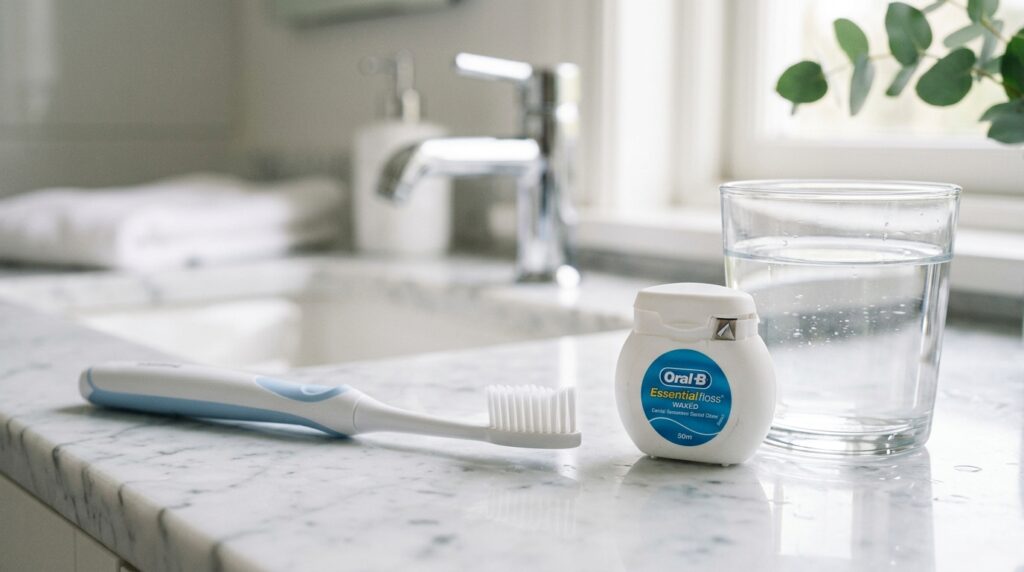
For mild bleeding linked to plaque buildup, a few consistent changes at home can make a real difference within just one to two weeks. Switching to a soft bristled toothbrush and using gentle, circular motions rather than aggressive back and forth scrubbing protects the gum tissue while still removing plaque effectively. Flossing once a day, even if it causes some initial bleeding, is essential, since that bleeding typically decreases and stops as the gums become healthier with consistent care. Rinsing with a warm salt water solution can soothe irritated tissue and help reduce bacteria. An antimicrobial or antiseptic mouthwash recommended by your dentist can further support healing. Staying hydrated, eating a balanced diet rich in vitamin C, and cutting back on smoking, which significantly impairs gum healing, all contribute to stronger, healthier gums over time.
Professional Treatment Options
When home care alone is not enough, especially once gum disease has progressed, professional treatment becomes necessary. A deep cleaning procedure, sometimes called scaling and root planing, removes plaque and tartar from below the gum line and smooths the tooth root to help gum tissue reattach properly. In more advanced cases of periodontitis, additional procedures may be needed to address bone loss or deep pockets around the teeth. Our dental services include thorough gum evaluations to determine exactly which stage of gum disease you may be dealing with and the most effective treatment path to restore your gum health.
Choosing the Right Tools for Gum Care
The tools you use every day can make a meaningful difference in how your gums respond over time. A soft bristled toothbrush is almost always the better choice over a medium or firm one, since firmer bristles can wear away gum tissue and contribute to recession over months and years of use, even if brushing feels more thorough in the moment. Electric toothbrushes with a pressure sensor can be especially helpful for people who tend to brush too hard, since the sensor alerts you when you are applying more force than necessary. When it comes to floss, traditional string floss remains highly effective, but floss picks or water flossers can be a good alternative for anyone who finds regular floss difficult to use consistently, since the best tool is ultimately the one you will actually use every single day.
What to Expect During a Gum Health Checkup
If you have not had a dental visit in a while, knowing what a gum health evaluation involves can make the appointment feel less intimidating. A dentist or hygienist will typically measure the depth of the small pockets around each tooth using a thin probe, since deeper pockets often indicate more advanced gum disease. They will also check for bleeding on probing, look at how much the gums have receded, and may take x rays to assess the level of bone support around your teeth. Based on these findings, they can tell you exactly where you stand, whether that means simple reassurance, a straightforward professional cleaning, or a more involved treatment plan if periodontitis has already developed. Knowing your exact starting point makes it much easier to track improvement over future visits.
Preventing Gum Problems Long Term
The best defense against bleeding and swollen gums is a consistent daily routine paired with regular professional care. Brushing twice a day with a soft bristled brush, flossing daily, and replacing your toothbrush every three months keeps plaque from accumulating enough to cause irritation. Reducing sugary snacks and drinks limits the fuel available to bacteria along the gum line. Avoiding tobacco products protects both gum tissue and healing capacity. Perhaps most importantly, professional cleanings every six months remove the hardened tartar that a toothbrush simply cannot reach, stopping gum irritation before it has a chance to progress. If you have noticed bleeding or swelling that has not improved with better home care, do not wait for it to get worse. Book an appointment so a dentist can assess your gum health and recommend the right next steps.
Healthy gums are pale pink, firm, and fit snugly around each tooth without any tenderness or bleeding during normal brushing and eating. Paying attention to small changes, a bit of pink in the sink, a spot that feels tender, or gums that look slightly puffier than usual, allows you to act early rather than waiting until a problem becomes harder to reverse. Your gums often give you plenty of warning before a small issue turns into a bigger one, and taking that warning seriously is one of the simplest ways to protect your smile for the long run.
Frequently Asked Questions
Is it normal for gums to bleed a little when flossing?
Occasional light bleeding when you first start flossing regularly is common and usually settles within one to two weeks as gum health improves, but ongoing bleeding beyond that point should be checked by a dentist.
Can bleeding gums heal on their own without treatment?
Mild gingivitis caused by plaque buildup can often improve with better brushing and flossing alone, but if bleeding persists or worsens, professional cleaning and evaluation are needed to prevent it from progressing.
Are swollen gums always a sign of gum disease?
Not always. Swelling can also result from injury, an ill fitting dental appliance, or a reaction to certain foods, but persistent swelling paired with bleeding usually does point toward gum disease and should be evaluated.
Why do my gums bleed more during pregnancy?
Hormonal changes during pregnancy increase blood flow to the gums and make them more sensitive to plaque, a condition often called pregnancy gingivitis, which typically improves after delivery with continued good oral care.
Can gum disease actually cause tooth loss?
Yes, if gum disease progresses untreated from gingivitis into periodontitis, it gradually destroys the bone and tissue supporting the teeth, which can eventually lead to loose teeth and tooth loss without proper treatment.
