
Almost everyone reaches for dant dard ka gharelu ilaj the moment a toothache starts, usually late at night or on a day when getting to a dentist right away is not possible. The good news is that several home remedies for tooth pain are backed by genuine science and can meaningfully reduce discomfort while you arrange a proper visit. The bad news is that plenty of other advice floating around does very little, and a few methods can actually make things worse if used incorrectly. This guide separates the remedies worth trying from the ones worth skipping, explains exactly how to use each one safely, and is honest about the one thing no home remedy can ever do, which is fix the actual cause of the pain.
Warm Salt Water Rinse
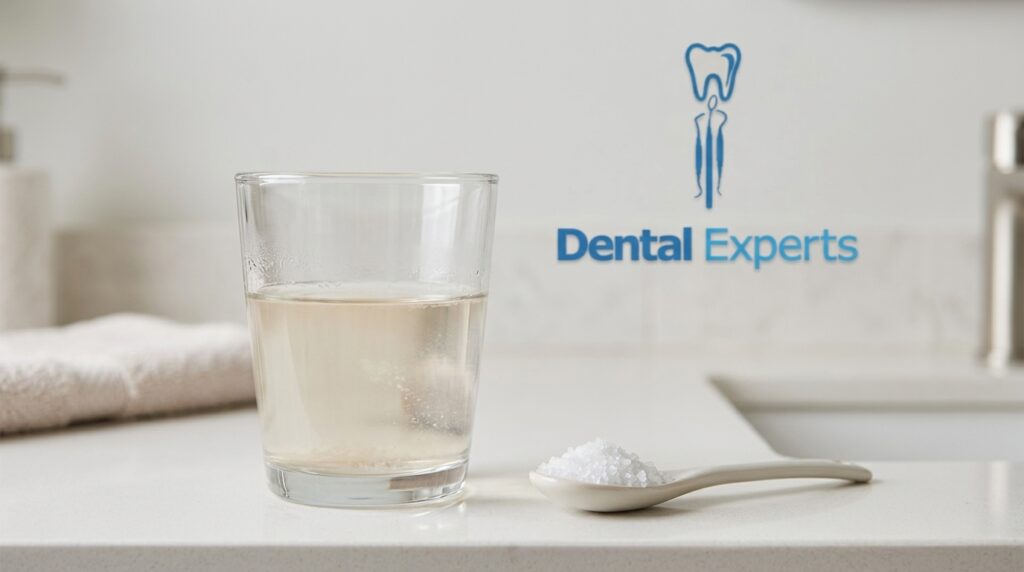
This remains one of the most effective and safest home remedies available, and dentists themselves often recommend it as a first step. Salt water works as a natural disinfectant, helping to reduce bacteria around the painful area while also drawing out some of the fluid causing swelling through a simple process called osmosis. Mix about half a teaspoon of salt into a cup of warm water, swish gently around the painful area for thirty seconds, and spit it out rather than swallowing. Repeating this two to three times a day can noticeably calm irritated gum tissue and reduce mild inflammation.
Cold Compress
Applying a cold compress or an ice pack wrapped in a cloth to the outside of the cheek near the painful tooth is genuinely useful, especially when there is any swelling involved. Cold constricts blood vessels in the area, which reduces swelling and numbs the sensation of pain temporarily. Apply it for around fifteen to twenty minutes at a time, with breaks in between, rather than leaving it on continuously. This remedy works best for pain related to trauma, swelling, or a recently developing infection, though it will not touch pain caused by sensitivity to cold itself.
Clove Oil
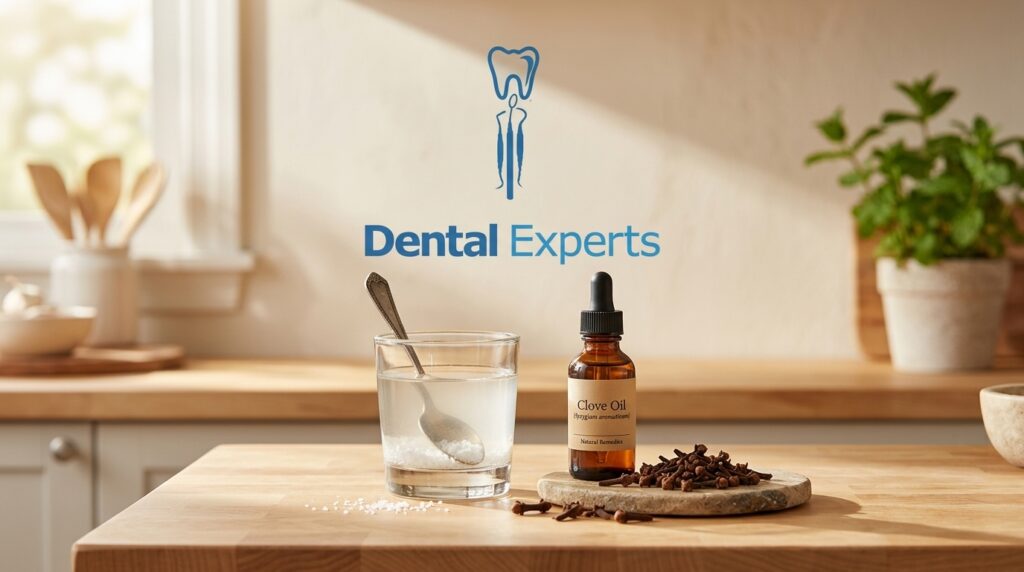
Clove oil has been used for tooth pain relief for generations, and there is real substance behind the tradition. It contains eugenol, a natural compound with mild anesthetic and antibacterial properties. A small amount applied directly to the painful area using a cotton ball, or diluted slightly with a carrier oil to reduce intensity, can provide noticeable temporary numbing. It is important to use it sparingly, since undiluted clove oil applied too generously or too often can actually irritate the gum tissue rather than help it.
Garlic
Garlic contains allicin, a compound with natural antibacterial properties, which is why crushed garlic applied to a painful tooth is a long standing home remedy across many cultures. Crushing a fresh clove to release its natural compounds before applying it to the area makes a real difference in effectiveness compared to simply chewing a whole clove. That said, the relief tends to be milder and shorter lived compared to clove oil, and the strong smell and taste make it one of the less pleasant options on this list, even if it does have some genuine antibacterial benefit.
Peppermint Tea Bags
A cooled, slightly chilled used peppermint tea bag applied directly to the painful area can offer mild numbing relief thanks to menthol, along with a small amount of antibacterial benefit from the tea itself. This remedy tends to work best for mild, general discomfort rather than sharp or severe pain, and many people find the cooling sensation combined with the mild numbing effect genuinely soothing while waiting to see a dentist.
Over the Counter Pain Relief
Standard over the counter pain relievers, taken at the correct recommended dose, remain one of the most reliable ways to manage tooth pain at home. Anti inflammatory options are often particularly effective for dental pain since much of the discomfort comes from inflammation around the tooth or gum. It is worth reading the dosing instructions carefully and not exceeding the recommended amount, since more medication does not mean faster or stronger relief and can create other problems instead.
Hydrogen Peroxide Rinse
A diluted hydrogen peroxide rinse, mixed carefully with equal parts water, can help reduce bacteria and may ease pain associated with infection or gum irritation, and some people find it helps with any associated bad taste as well. This remedy needs to be used carefully and never swallowed, and it is not something to rely on for more than a few days, since it works better as a short term supporting step rather than a long term routine.
What to Avoid While Managing Tooth Pain at Home
A few habits quietly make tooth pain worse rather than better, even though they feel natural in the moment.
- Avoid chewing directly on the painful side, even if the food feels soft, since pressure alone can trigger sharp pain.
- Skip very hot or very cold foods and drinks until the pain has been properly diagnosed, since temperature extremes often intensify the discomfort.
- Stay away from sugary foods and drinks, which feed the bacteria that may already be contributing to the problem.
- Do not apply aspirin directly to the gum or tooth, a common but genuinely harmful myth, since it can burn and damage the soft tissue rather than relieving anything.
- Avoid alcohol based mouthwash on an already irritated area, since the alcohol content can sting and aggravate inflamed tissue further.
Home Remedies That Do Not Really Work
Not everything passed around as advice actually helps. Whiskey or other alcohol held in the mouth near a painful tooth is a widely repeated remedy with essentially no real benefit beyond brief numbing from the alcohol itself, and it can irritate soft tissue in the process. Toothpaste applied directly and left on a painful area does very little beyond what normal brushing already provides. Vanilla extract, another commonly suggested remedy, contains a small amount of alcohol and offers only extremely mild, very short lived numbing at best. None of these are harmful in small amounts, but they are also not worth relying on when better options exist.
Why Even the Best Home Remedy Has a Limit
Every remedy on this list can genuinely ease discomfort, and there is no reason to avoid using them while you arrange a dental visit. But it is worth being completely honest about what they can and cannot do. None of these remedies can remove decay, drain an infection, repair a crack, or treat gum disease. If the underlying cause is left untreated, the problem continues progressing quietly underneath the temporary relief, sometimes for weeks, which is exactly how a manageable cavity turns into a root canal, or a mild gum irritation turns into a more serious infection.
Signs Home Care Is No Longer Enough
A few signals reliably indicate that it is time to stop relying on home remedies and get a proper evaluation. Pain that lasts more than one to two days despite consistent home care, swelling in the face or gums, fever, pain that wakes you up at night, or pain that keeps returning even after temporary relief are all clear signs that something needs direct treatment rather than continued management at home. If you notice any of these signs, the safest next step is booking a proper toothache treatment appointment rather than extending home care further.
Using Home Remedies the Right Way While You Wait
The most effective approach is treating home remedies as a bridge, not a destination. Combine a warm salt water rinse two to three times a day with an appropriate dose of over the counter pain relief, use a cold compress if there is any swelling, and consider clove oil for targeted, temporary numbing if the pain is sharp and localized. At the same time, avoid chewing on the affected side and skip trigger foods until you are seen. Used together like this, home remedies can keep you genuinely comfortable for a day or two while you arrange proper care, which is exactly what they are meant for. If you want to explore your options for over the counter relief while you wait for an appointment, it is worth reading about the best available teeth pain tablets so you know exactly what is safe and effective to use.
Building Long Term Habits So You Need Fewer Home Remedies
The best relationship with home remedies for tooth pain is needing them as rarely as possible. Brushing twice daily, flossing once a day, cutting back on frequent sugary snacking, and staying consistent with checkups every six months prevent most of the causes that lead to sudden tooth pain in the first place. If pain has become a recurring pattern for you rather than a rare event, that repetition itself is worth mentioning to your dentist, since it often points toward an underlying issue that home remedies have simply been masking each time it flares up.
Frequently Asked Questions
Kya clove oil dant dard ke liye safe hai?
Yes, when used correctly. A small amount applied directly with a cotton ball, or slightly diluted, is generally safe and can provide real temporary relief. Using too much or too often can irritate the gum tissue, so moderation matters.
How long can I safely rely on home remedies before seeing a dentist?
One to two days of home care is generally reasonable while you arrange an appointment. If pain persists, worsens, or comes with swelling or fever beyond that point, it is time to see a dentist rather than continuing home treatment.
Does putting aspirin directly on the tooth or gum help?
No, this is a myth that can actually cause harm. Aspirin applied directly to gum tissue can burn and damage it, since it needs to be swallowed and absorbed through the body to work as a pain reliever, not applied topically.
Can garlic really help with tooth pain?
Garlic does have genuine antibacterial properties from a compound called allicin, and crushed garlic applied to the area can offer mild, short term relief, though the effect is generally weaker and shorter lived than clove oil.
Is it normal for home remedies to stop working after a day or two?
Yes, and it usually means the underlying cause, such as decay or infection, is progressing rather than resolving. This is a clear signal to move from home care to a proper dental evaluation rather than trying stronger home remedies.
