
Tooth Decay Causes: What Actually Creates a Cavity
Most people blame sugar the moment a cavity is diagnosed, and while sugar plays a real role, treating it as the only tooth decay cause misses several other factors that matter just as much. Two people can eat identical diets and end up with very different amounts of decay, because the actual causes behind a cavity involve bacteria, saliva, enamel strength, and daily habits working together, not sugar in isolation. This guide breaks down what genuinely causes tooth decay, so prevention efforts target the real problem rather than just the most obvious one.
How Bacteria and Acid Actually Cause Decay
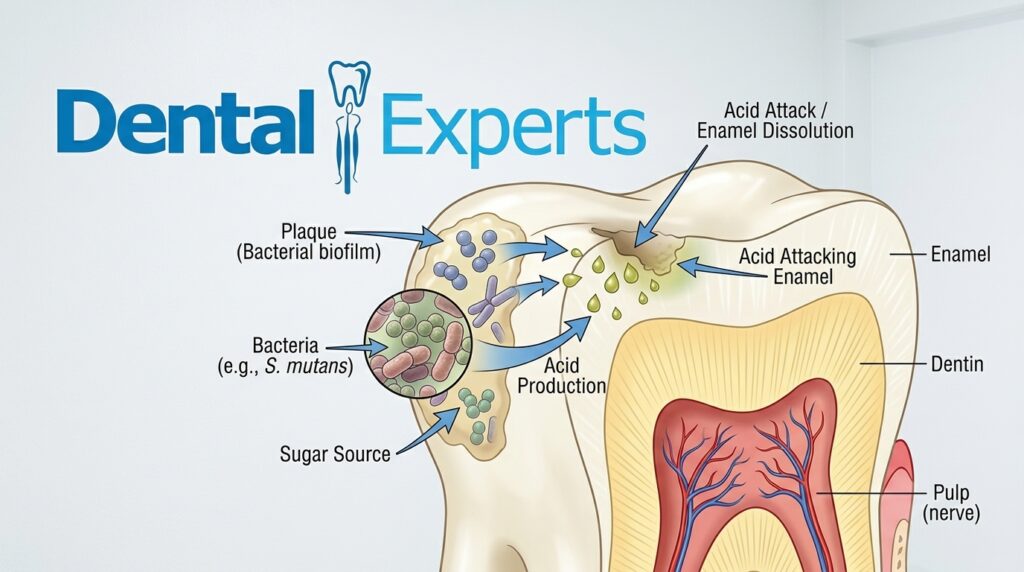
Every mouth naturally contains bacteria, and this alone is not a problem, it becomes one only when those bacteria have fuel to work with. Bacteria feed on sugar and starch left behind from food and produce acid as a direct byproduct of that process. This acid attacks the mineral structure of enamel, and repeated acid exposure over time is what gradually creates the mineral loss that becomes a cavity. This is why tooth decay causes are really about managing this acid producing cycle, not simply avoiding sugar as an isolated goal.
Diet and How Often You Eat Matters More Than Total Sugar
Frequency of eating sugary or starchy food matters more than the total amount consumed in a day, which surprises a lot of people. Each time you eat something sugary, the mouth stays in an acidic, tooth vulnerable state for roughly twenty to thirty minutes afterward. Someone who eats a dessert once after dinner creates one acid exposure window. Someone who sips a sugary drink slowly over two hours, or snacks on sweets throughout the afternoon, creates many overlapping windows, keeping the mouth acidic for a much larger portion of the day even if the total sugar amount is similar or smaller.
Dry Mouth and Reduced Saliva as a Genuine Risk Factor
Saliva does far more than most people realize, it naturally neutralizes acid and washes away food particles throughout the day. Anyone with reduced saliva flow, whether from certain medications, mouth breathing during sleep, dehydration, or an underlying medical condition, faces a genuinely higher decay risk regardless of how careful their diet is. This is one of the most overlooked tooth decay causes, since it has nothing to do with what someone eats and everything to do with how well their mouth defends itself against the acid that eating naturally produces.
Enamel Quality and Genetics
Not every tooth starts with equally strong enamel, and this has nothing to do with daily habits. Some people are simply born with thinner or less mineralized enamel, which means the same level of acid exposure creates decay faster than it would in someone with naturally stronger enamel. This does not mean prevention is pointless for someone with weaker enamel, it means the margin for error is smaller, and consistent care matters even more for these individuals than it does for someone with naturally resilient teeth.
Hard to Reach Spots and Old Fillings
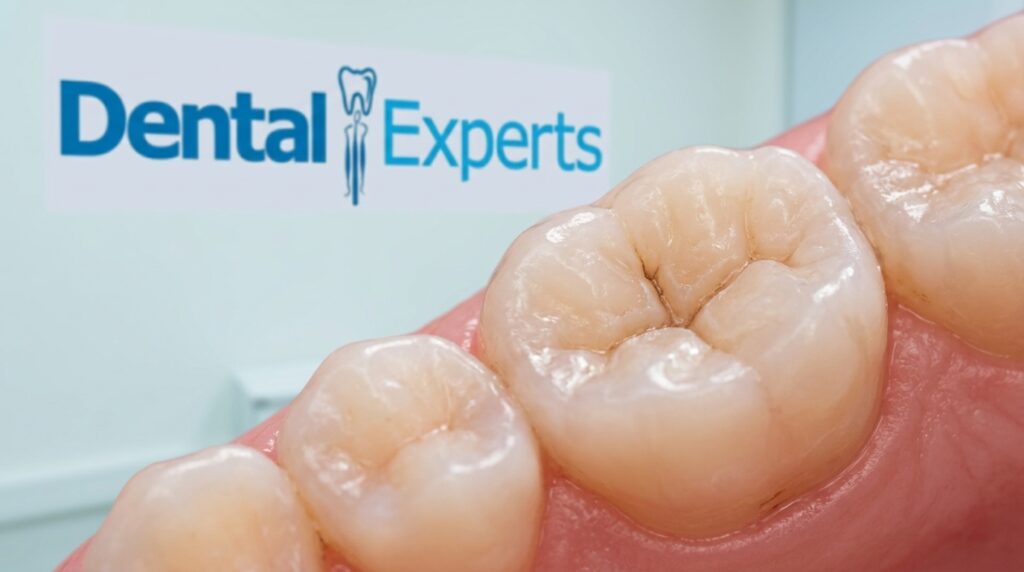
Some tooth decay causes are mechanical rather than related to diet or biology at all. Deep grooves on the chewing surface of back molars trap food and bacteria in a way that brushing alone struggles to fully clear, making these teeth naturally more decay prone regardless of how well someone brushes elsewhere. The spaces between teeth are similarly hard to reach with a toothbrush alone, which is exactly why flossing matters as a separate, necessary step. Old fillings with a seal that has started to break down at the edges create another mechanical vulnerability, letting bacteria back in around the margin of a restoration that once fully protected that area.
Why Two People With Similar Diets Get Different Amounts of Decay
It is common to see one family member develop frequent cavities while another with a seemingly similar diet stays largely decay free, and this difference usually comes down to the combination of factors covered above working together rather than any single cause. Someone with naturally strong enamel, healthy saliva flow, and good access to all their tooth surfaces during brushing can tolerate a diet that would cause rapid decay in someone with weaker enamel, reduced saliva, or several hard to reach molars. This is why generic advice to simply eat less sugar sometimes fails to explain someone’s ongoing decay problem, the real answer is usually a combination of two or three factors rather than diet in isolation.
Medical Conditions and Medications That Increase Decay Risk
Several health conditions and common medications increase tooth decay causes indirectly, mainly through their effect on saliva production. Diabetes, particularly when blood sugar is not well controlled, is associated with higher decay risk partly through changes in saliva composition. Many common medications, including antihistamines, antidepressants, and blood pressure medications, list dry mouth as a side effect, and this side effect directly increases decay risk regardless of what the medication is actually treating. Anyone taking a medication with this side effect long term should mention it during dental checkups, since the dentist can suggest specific saliva support strategies rather than leaving this risk factor unaddressed.
Why Understanding These Causes Actually Helps
Knowing the specific tooth decay causes behind a diagnosis changes what prevention actually looks like for that person, rather than applying the same generic advice to everyone. Someone whose main risk factor is dry mouth from medication needs a different focus, more frequent water intake and possibly a saliva substitute, than someone whose main risk factor is deep molar grooves, who benefits more from dental sealants. Treating decay prevention as one size fits all misses this, and asking a dentist which of these causes applies most to your specific situation makes any prevention plan considerably more effective than generic advice alone.
Habits That Quietly Speed Up Decay
Beyond diet, a few daily habits accelerate decay in ways people do not always connect to their oral health. Constant sipping on sweetened tea, coffee, or juice throughout the day extends acid exposure the same way frequent snacking does. Sticky foods that cling to the tooth surface, such as dried fruit or chewy candy, keep sugar in contact with enamel far longer than something that clears the mouth quickly. Going to bed without brushing removes the one daily window where saliva production naturally slows and would otherwise need brushing to compensate for reduced overnight protection. Understanding these causes is only useful if it leads to action, and our guide on how to stop tooth decay covers exactly what to do with this information.
Frequently Asked Questions
Is sugar really the main tooth decay cause?
Sugar feeds the bacteria that produce the acid causing decay, but frequency of exposure, saliva flow, enamel strength, and hard to reach spots on teeth all genuinely contribute as well.
Can dry mouth actually cause cavities on its own?
Yes, reduced saliva removes one of the mouth’s main natural defenses against acid, and this alone can meaningfully increase decay risk even with an otherwise careful diet.
Why do some people get cavities more easily than others?
Enamel strength varies naturally between individuals, and someone with thinner or less mineralized enamel from birth will develop decay faster under the same conditions as someone with stronger enamel.
Does snacking cause more decay than eating sugar at meals?
Frequent snacking generally causes more decay risk than the same sugar eaten in one sitting, since each snack creates a new acid exposure window that adds to the total time teeth spend vulnerable.
Can an old filling actually cause a new cavity?
Yes, if the seal around an old filling breaks down, bacteria can get back underneath it, creating new decay at the edge of a tooth that already has a restoration.
