
Quick Answer
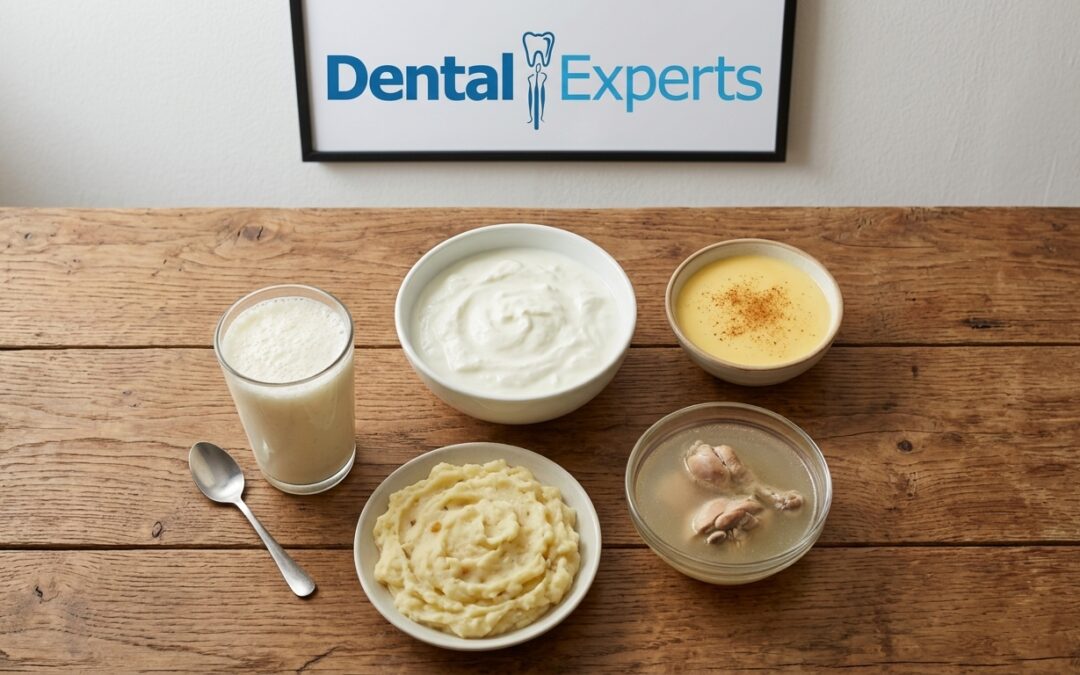
For the first 24 hours after a tooth extraction, stick to cool or lukewarm soft foods that need no chewing: yogurt, custard, lassi without a straw, mashed potato and lukewarm yakhni. From day 2 to 3 add soft khichdi, daliya, scrambled eggs and well cooked oatmeal. Avoid straws, hot drinks, spicy food, hard or crunchy items and smoking for at least 72 hours, because these are the things that dislodge the clot and cause dry socket.
The first three days after an extraction decide how the whole recovery goes. A blood clot forms in the empty socket within hours, and every rule your dentist gives you exists to protect that one clot. Lose it and you get dry socket, which hurts considerably more than the extraction itself and adds a week to healing. If your extraction is still ahead of you and you are nervous about the process, you can book an appointment and have the procedure and aftercare explained properly before anything is done.
Food is where most patients accidentally sabotage themselves, usually on day 2 when the numbness is gone and confidence returns. This guide covers what to eat in each phase, what genuinely delays healing, and the signs that mean you should call the clinic. The same rules apply whether it was a routine extraction or a wisdom tooth removal, though wisdom tooth sites usually take a few days longer to settle.
The Healing Timeline First, So the Food Rules Make Sense
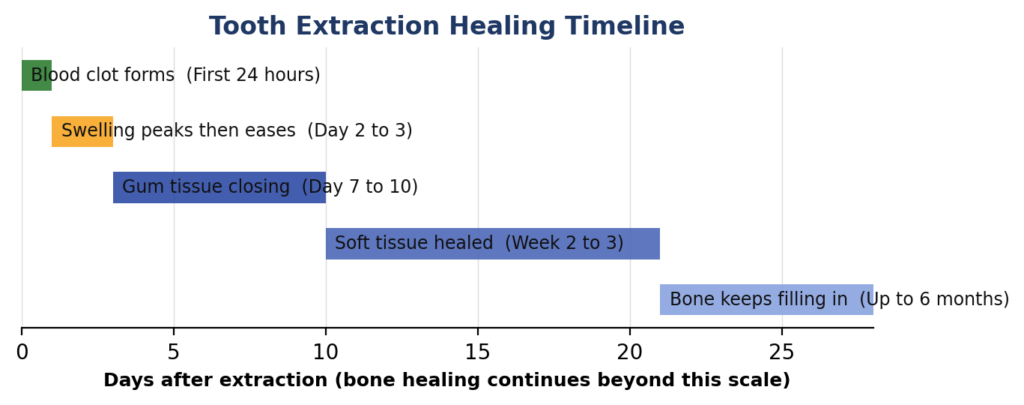
Chewing food is a mechanical force directly beside a fresh wound. The food phases below simply follow the healing phases above: liquid to soft while the clot is fragile, then gradually back to normal as tissue closes.
Day by Day: What to Eat and When
Phase | Eat freely | Strictly avoid |
First 24 hours | Yogurt, custard, kheer (cooled), lassi by spoon, mashed potato, lukewarm chicken yakhni, milkshake by spoon | Anything hot, any straw, spicy food, rice grains, smoking |
Day 2 to 3 | Soft khichdi, daliya, suji halwa, scrambled egg, well mashed banana, soft paneer, oatmeal | Chips, nuts, biryani, hard roti, cola, very hot chai |
Day 4 to 7 | Soft rice dishes, shredded chicken, pasta, soft vegetables, normal roti soaked in salan | Chewing on the extraction side, hard crusts, popcorn |
Week 2 onward | Normal diet as comfort allows | Only what still causes pain |
Two Pakistani specifics worth stating plainly. First, chai: the habit is to drink it hot, and hot liquids dissolve fresh clots, so for three days take it barely warm or skip it. Second, straws with lassi or shakes: the sucking motion creates negative pressure in the mouth that can pull the clot straight out. Spoon, always, for the first three days.
Foods and Habits That Actively Delay Healing
Item | Why it causes trouble |
Smoking and naswar | Sucking action plus chemicals that starve the wound of oxygen. The single biggest dry socket risk |
Straws and spitting | Negative pressure dislodges the clot |
Spicy food | Irritates the open wound and increases discomfort, not infection |
Rice, seeds, small grains | Lodge inside the socket and are hard to remove safely |
Alcohol and very hot drinks | Both interfere with clotting in the first 48 hours |
Vigorous rinsing on day 1 | Washes the clot out. Gentle salt water rinses start only after 24 hours |
Aftercare Beyond Food
Bite on the gauze for the first 30 to 45 minutes, then change it if bleeding continues. Sleep with your head slightly raised the first night. From day 2, rinse gently with warm salt water after meals, letting the water fall out rather than spitting. Mild pain is normal and manageable; several simple gharelu tareeqay for dant dard like a cold compress on the cheek genuinely help in the first 48 hours. For surgical extractions of impacted teeth, follow the specific instructions from your oral and maxillofacial surgeon, which override any general guide including this one.

When to Call the Dentist
Severe pain that starts 2 to 4 days after extraction rather than immediately is the classic dry socket pattern. Also call for bleeding that soaks gauze beyond 4 hours, fever, pus, swelling that grows after day 3 instead of shrinking, or a bad taste that will not rinse away. None of these are things to wait out at home.
One last honest point: an extracted tooth leaves a gap, and neighboring teeth begin drifting into it within months. Once the site heals, ask your dentist about replacement options; for most single missing teeth, dental implants are the option that protects the neighboring teeth best because nothing is ground down to support them.
Frequently Asked Questions
How long after tooth extraction can I eat normally?
Most people return to a fully normal diet in 7 to 14 days. Soft foods only for the first 3 days, then build up gradually as comfort allows.
Can I drink chai after tooth extraction?
Yes, but only lukewarm for the first 3 days. Hot chai can dissolve the healing clot and trigger dry socket.
Can I eat rice after tooth extraction?
Avoid loose rice for the first 3 days because grains lodge in the socket. Soft khichdi is the safer version, and normal rice is usually fine from day 4 or 5.
What is dry socket and how do I avoid it?
Dry socket is when the protective blood clot is lost, exposing bone and nerves. Avoid straws, spitting, smoking and hot drinks for 72 hours, and it becomes rare.
How long does the extraction site take to fully heal?
Gum tissue closes in about 2 to 3 weeks. The bone underneath keeps filling in for several months, which is normal and needs no action.
