
Quick Answer
Electric toothbrushes remove modestly more plaque than manual brushes and are clearly better for people with braces, arthritis, limited hand movement or a habit of brushing too hard. A manual brush used with proper technique for a full two minutes cleans well enough for most healthy mouths. Technique and consistency matter more than the tool: a good manual brusher beats a lazy electric brusher every time.
The toothbrush aisle has quietly become a status contest, and electric brushes are sold in Pakistan as if manual brushing were outdated. The research picture is less dramatic than the marketing. Reviews of clinical trials do show electric brushes, especially oscillating rotating heads, removing more plaque and reducing gum inflammation somewhat more than manual brushes over months of use. The difference is real but modest, and it disappears entirely when the manual brusher has good technique. What no brush of any price fixes is hardened tartar, which only professional cleaning and scaling can remove once it forms.
So the honest question is not which brush is better in a lab. It is which brush gets better brushing out of you, specifically, every morning and night. This guide compares them on the things that actually decide that: plaque removal, gum safety, cost over time, and the special cases where electric genuinely wins. If your gums already bleed when you brush, read that linked guide first, because bleeding is a symptom to investigate, not a reason to buy a softer gadget.
Head to Head Comparison
Factor | Manual brush | Electric brush |
Plaque removal | Very good with correct technique | Modestly better on average, less technique dependent |
Gum safety | Depends entirely on your hand pressure | Pressure sensors on good models stop hard scrubbing |
Built in 2 minute timer | No, most people stop at 45 seconds | Yes, and it measurably lengthens brushing |
Cost in Pakistan | Rs 150 to 500, replace every 3 months | Rs 3,000 to 25,000 plus replacement heads Rs 800 to 2,500 |
Travel and load shedding | No charging, works anywhere | Needs charging, though batteries last 1 to 3 weeks |
Braces and dental work | Hard to clean around brackets | Clearly better around brackets and implants |
Kids | Fine with supervision | Timers and fun factor genuinely improve compliance |
Where Electric Genuinely Wins
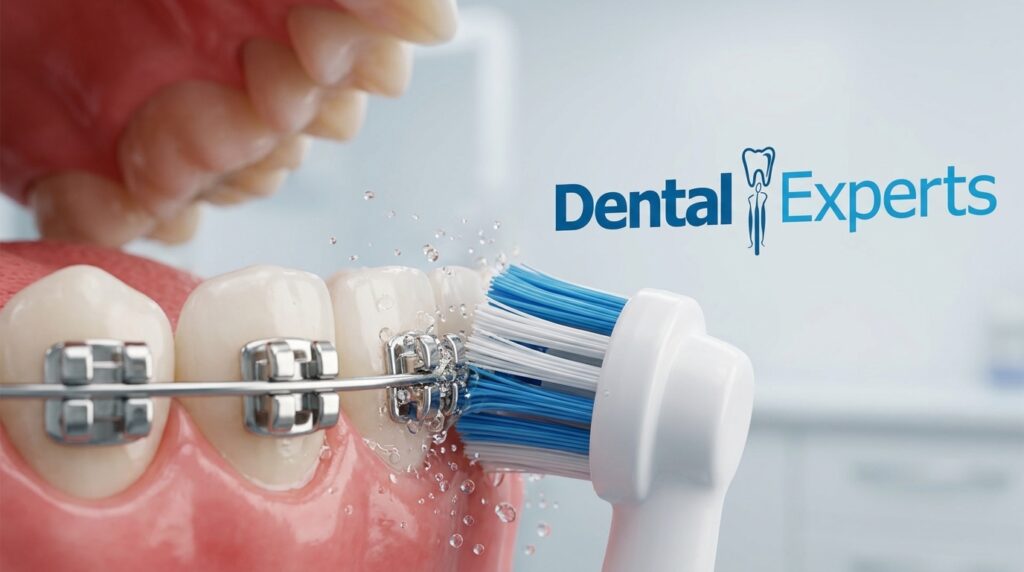
Four groups get a real, worth the money benefit. People who brush too hard, because pressure sensors interrupt the scrubbing habit that wears away enamel and pushes gums back. People with arthritis, weak grip or any condition limiting fine hand movement, because the brush does the motion for them. People with braces, implants or bridgework, where a small round oscillating head reaches around hardware a manual brush skates over. And children who refuse two minutes of boring brushing but will happily follow a buzzing timer. If none of these describe you, you are paying mostly for the timer.
Where Manual Holds Its Own
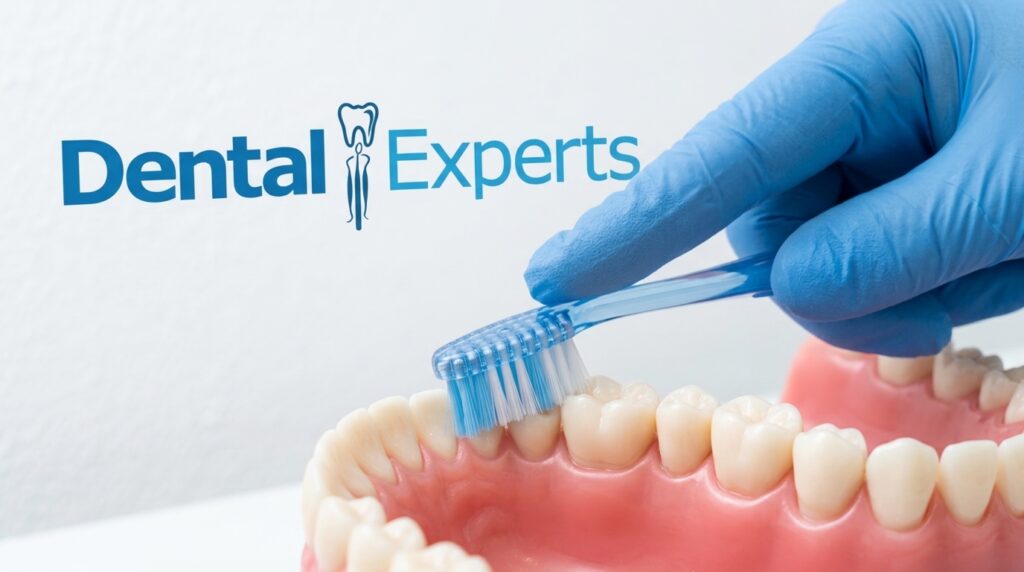
A soft bristled manual brush, angled 45 degrees toward the gumline, moved in small gentle circles for a genuine two minutes, twice a day, achieves oral health outcomes close enough to electric that dentists do not push patients to switch. Manual also wins on cost by a wide margin, needs no charging through load shedding season, and survives travel and drops. The two failure points are always the same: stopping after 45 seconds, and scrubbing sideways like polishing a shoe. Fix those two habits and the gap to electric nearly closes. What neither brush fixes is staining between teeth and hardened deposits; if your teeth look yellow despite good brushing, that is a job for professional whitening or scaling, not a harder brush.
Whichever You Choose, These Rules Decide the Result
Rule | Why |
Soft bristles only | Medium and hard bristles damage enamel and gums over years. Soft cleans plaque perfectly well |
Two full minutes, twice daily | Plaque removal is roughly proportional to honest brushing time |
Replace brush or head every 3 months | Splayed bristles clean dramatically worse and harbor bacteria |
Do not rinse with water after spitting | Leaving fluoride residue on teeth extends its protection |
Brushing does not remove tartar | Once plaque hardens, only professional scaling removes it |
And a closing point that no brush advertisement will make: brushing prevents future decay but cannot repair what already exists. A brown spot, a hole you can feel with your tongue, or sensitivity that lingers means decay is already established, and the brush conversation becomes secondary. Get it looked at; you can book a checkup in a few minutes and settle both questions, the tooth and the toothbrush, in one visit.
Frequently Asked Questions
Is an electric toothbrush really better than manual?
On average yes, but modestly. Electric removes somewhat more plaque and helps gums, mainly because of timers and pressure control. A manual brush with proper technique for two full minutes performs nearly as well.
Which electric toothbrush type is best?
Oscillating rotating heads have the strongest trial evidence for plaque and gum improvement, with sonic brushes close behind. Within a type, a pressure sensor and timer matter more than extra modes.
Are electric toothbrushes safe for kids?
Yes from around age 3 with a child sized head and adult supervision. The built in timer is the main benefit because it makes children actually brush for two minutes.
How often should I change my toothbrush?
Every 3 months for manual brushes and electric heads alike, or immediately once bristles splay. After any illness, changing early is sensible.
Can hard brushing make my teeth cleaner?
No. Hard scrubbing wears enamel, recedes gums and causes sensitivity while cleaning no better than gentle circles. Pressure is the most common brushing mistake dentists see.
