

Daant Ka Dard Theek Karne Ka Tarika: A Complete Guide to Curing Tooth Pain
Searching for daant ka dard theek karne ka tarika usually happens at the worst possible moment, when the pain is already bad enough that painkillers and mints are not cutting it anymore. The honest answer is that there is no single universal fix, because tooth pain is a symptom, not a diagnosis, and the right treatment depends entirely on what is actually causing it. What this guide will do is walk you through the real, proven ways tooth pain gets treated, starting with what you can safely do the moment pain hits, moving into the professional treatments that actually resolve the underlying problem, and ending with how to make sure it does not come back. If you want lasting relief rather than a temporary patch, this is the order that actually works.
Step One: Figure Out Roughly What You Are Dealing With
Before jumping to a fix, it helps to notice a few basic details about your pain, since they change what happens next. Is the pain sharp and brief, or constant and throbbing? Does it get worse when you bite down, or does it flare up mainly with hot and cold? Is there any visible swelling in your face or gums? These details will not replace a dental exam, but they help you and your dentist move faster once you are in the chair, and they help you judge how urgently you need to be seen.
Immediate Steps You Can Take Right Away
While you arrange a dental appointment, a few safe steps can bring the pain down to a manageable level without doing anything that could make diagnosis harder later.
- Rinse gently with warm salt water to reduce bacteria and calm irritated tissue around the tooth.
- Take an appropriate over the counter pain reliever at the recommended dose, which is usually the fastest way to bring throbbing pain under control.
- Apply a cold compress to the outside of the cheek in short intervals if there is any swelling.
- Avoid chewing on the affected side, and skip very hot, cold, or sugary foods until you are seen.
- Keep your head slightly elevated while sleeping if the pain worsens lying flat, which often happens with pressure related pain.
These steps genuinely help, but it is worth being clear that none of them treat the actual cause. They buy you comfortable time, nothing more.
Why Painkillers Alone Never Count as a Cure
This is the part people most often get wrong. Painkillers work by blocking pain signals or reducing inflammation, which makes the tooth feel better, but the decay, infection, or crack underneath is still there and often still getting worse. This is especially dangerous with infections, where the pain can genuinely fade for a few days as pressure changes, giving a false sense that things are improving while the infection quietly spreads. If you find yourself relying on pain medication for more than a day or two, that is a clear signal the underlying problem needs to be treated directly, not just muted.
Treatment for Tooth Decay and Cavities
If a cavity is the cause, the treatment depends on how deep the decay has gone. Small to moderate cavities are treated with a straightforward filling, where the decayed portion is removed and the space is filled with a tooth colored material, usually finished within a single visit and comfortable under local anesthesia. If the decay has progressed further and reached the inner pulp of the tooth, root canal treatment becomes necessary, removing the infected tissue from inside the tooth, cleaning the canal thoroughly, and sealing it so the natural tooth can be saved rather than removed. Restorative treatment like this is the only way to actually stop decay related pain permanently, since no amount of home care can rebuild lost tooth structure.
Treatment for Gum Related Pain
When pain is coming from the gums rather than the tooth itself, the fix looks very different. Mild gum inflammation often responds well to a professional cleaning that removes built up plaque and tartar from along and below the gum line, paired with improved daily brushing and flossing at home. For more advanced gum disease, a deeper cleaning procedure such as scaling and root planing is usually needed to reach bacteria trapped beneath the gum line that a regular cleaning cannot access, allowing the irritated tissue to heal properly instead of continuing to flare up.
Treatment for a Tooth Abscess or Infection
An abscess needs to be treated directly, and this is one situation where home remedies genuinely cannot help beyond temporary comfort. Depending on the severity, a dentist may need to drain the infection, perform a root canal to remove infected tissue from inside the tooth, or in some cases prescribe antibiotics to bring a spreading infection under control before further treatment. Left untreated, an abscess does not resolve on its own, and the infection can spread beyond the tooth, which is why this particular cause of pain should never be managed with home remedies alone for more than a day or two.
Treatment for a Cracked or Fractured Tooth
A cracked tooth is treated based on how deep and how far the crack extends. Minor cracks limited to the enamel sometimes just need monitoring and a protective filling, while more significant cracks often require a crown to hold the tooth together and prevent the crack from spreading further under normal biting pressure. If a crack has reached the pulp and caused infection, root canal treatment combined with a crown is usually the path that saves the tooth. In rare cases where a fracture extends below the gum line, extraction may be the only realistic option.
When Extraction Becomes Necessary
Nobody wants to hear that a tooth needs to come out, and dentists genuinely try every reasonable option first, but sometimes a tooth is too damaged by decay, infection, or fracture to be saved. When extraction is unavoidable, discussing replacement options such as an implant, bridge, or denture at the same visit helps you plan the next step immediately rather than being caught off guard later. Extraction, when it is truly needed, does resolve the pain completely, since the source of the problem is removed along with the tooth.
What a Dental Visit for Tooth Pain Actually Involves
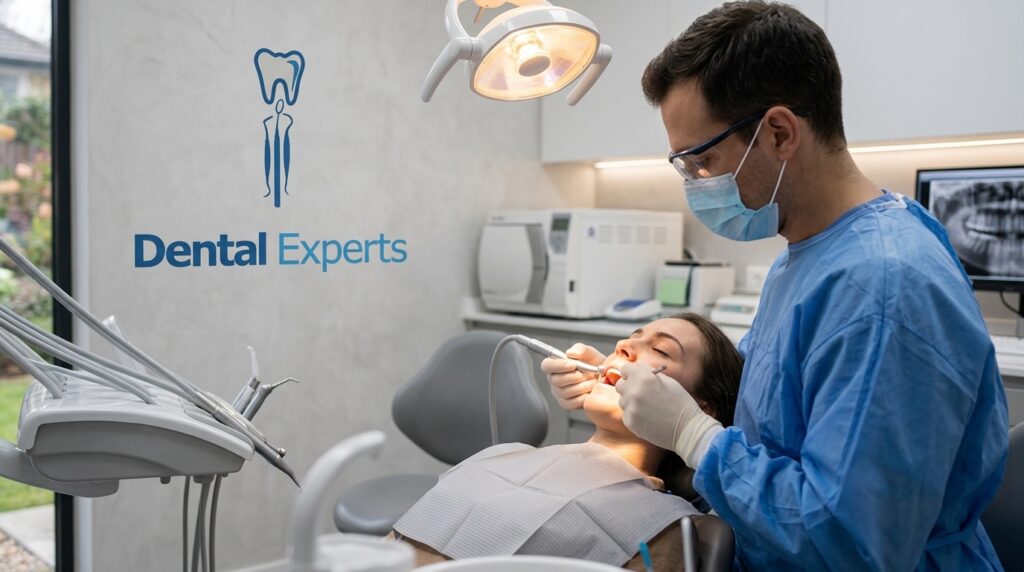
If you have been putting off a visit because you are not sure what to expect, the process is more straightforward than most people assume. The dentist will typically start by asking about the type, location, and duration of your pain, followed by a visual and physical exam of the affected area. An x ray is very common at this stage, since it reveals decay, infection, or bone changes that are invisible to the naked eye. Based on what is found, you will usually get a clear explanation of the cause along with your treatment options on the same visit, and in many cases treatment can begin right away rather than requiring a separate appointment.
Aftercare Once the Underlying Problem Is Treated
Whether you had a filling, a root canal, a deep cleaning, or an extraction, following aftercare instructions closely makes a real difference in how quickly and comfortably you heal. Mild soreness for a few days after treatment is normal and usually responds well to over the counter pain relief, but pain that worsens instead of improving after a procedure should be reported back to your dentist rather than waited out. Sticking to soft foods for the first day or two, avoiding the treated side while chewing, and keeping the area clean all support faster healing.
Preventing Tooth Pain From Coming Back
Curing the pain you have right now is only half the job. Preventing the next episode comes down to consistent basics that are easy to underestimate. Brushing twice daily with fluoride toothpaste and flossing once a day remain the two biggest factors in avoiding decay and gum related pain. Routine checkups every six months allow small problems to be caught and treated while they are still simple, long before they turn into the kind of pain that sends you searching for answers at midnight. If grinding is part of your pattern, a night guard can prevent a huge amount of future pain and tooth wear. You can explore the full range of dental services available to build a prevention plan suited to your specific situation, rather than only reacting once pain shows up again.
Frequently Asked Questions
Kya sirf painkiller lene se dant ka dard hamesha ke liye theek ho jata hai?
No, painkillers only reduce the sensation of pain temporarily. The underlying cause, whether decay, infection, or a crack, stays exactly the same and usually keeps getting worse until it receives proper treatment.
How fast can a dentist actually stop tooth pain?
In many cases relief begins during the same visit, since numbing the area for treatment stops the pain immediately, and procedures like fillings or drainage of an abscess address the root cause right away rather than just masking symptoms.
Is root canal treatment painful?
The procedure itself is performed under local anesthesia, so it is not painful while being done, and it typically relieves the intense pain that infection was causing rather than creating new pain of its own.
Can antibiotics alone cure a tooth infection without further treatment?
Antibiotics can help control a spreading infection, but they do not remove its source. The tooth still needs a root canal, drainage, or extraction to fully resolve the problem once the infection is under control.
How do I know if my tooth pain needs urgent treatment instead of a normal appointment?
Facial swelling, fever, difficulty opening your mouth or swallowing, or pain that over the counter medication cannot control are all signs you should seek urgent dental care rather than waiting for a routine slot.
