
🦷 Quick Answer
For daily use, an alcohol free fluoride or essential oil mouthwash (Rs 300 to 700) is the best choice in Pakistan for fresh breath and gum health. For bleeding or infected gums, a chlorhexidine rinse like Clinica or Corsodyl works strongly but must be limited to 1 to 2 weeks because it stains teeth with longer use. No mouthwash removes plaque or tartar; it supports brushing and flossing, it never replaces them.
Mouthwash occupies a strange place in Pakistani bathrooms: half the households treat it as optional perfume, the other half treat it as a cure for everything from bad breath to loose teeth. The truth sits in between. A rinse reaches places a brush misses and can genuinely reduce the bacteria behind gum inflammation and bad breath. But mouthwash is a liquid; it flows over plaque, it does not scrape it off. If breath odor is coming from a coated tongue, trapped food between teeth, or gum disease that already causes bleeding, rinsing masks the smell for an hour and changes nothing underneath.
There is also a real difference between mouthwash types that the shelf does not explain. A cosmetic minty rinse, a fluoride rinse, and a medical chlorhexidine rinse are three different products with three different jobs, and using the wrong one is either useless or, with chlorhexidine, actively harmful over time. This guide sorts the bottles available in Pakistan by what they actually do, and is honest about the cases where the answer is a professional cleaning, not a bigger bottle.
The Three Types, and What Each Actually Does
| Type | Main ingredient | Best for | Limits |
| Cosmetic / breath freshener | Mint, mild antiseptic | Temporary fresh breath before a meeting | Masks odor 1 to 2 hours, treats nothing |
| Daily therapeutic | Fluoride, essential oils (eucalyptol, thymol), cetylpyridinium | Everyday plaque control, cavity protection, mild gum support | Modest effect; works only alongside brushing |
| Medical antiseptic | Chlorhexidine 0.12% to 0.2% | Bleeding gums, after extractions or gum treatment | Max 1 to 2 weeks; stains teeth and alters taste with longer use |
Options Available in Pakistan
| Mouthwash | Type | Approx. price | Honest note |
| Listerine (Cool Mint / Total Care) | Daily essential oil | Rs 450 to 900 | Strongest daily use evidence; original formula burns, alcohol free version available |
| Colgate Plax | Daily cetylpyridinium | Rs 350 to 650 | Gentler feel, decent plaque effect, easy to find |
| Clinica / Corsodyl (chlorhexidine) | Medical antiseptic | Rs 250 to 600 | Genuinely effective for gum infection, strictly short term |
| Sensodyne mouthwash | Daily fluoride | Rs 500 to 800 | Sensible pairing for sensitive teeth |
| Salt water (homemade) | Mild rinse | Nearly free | Underrated for healing sores and after extractions; not a bacteria killer |
Prices shift with imports; treat them as ranges. The pattern to remember: for daily freshness buy a daily rinse, and treat chlorhexidine like a medicine course, not a habit.
How to Use Mouthwash So It Actually Helps
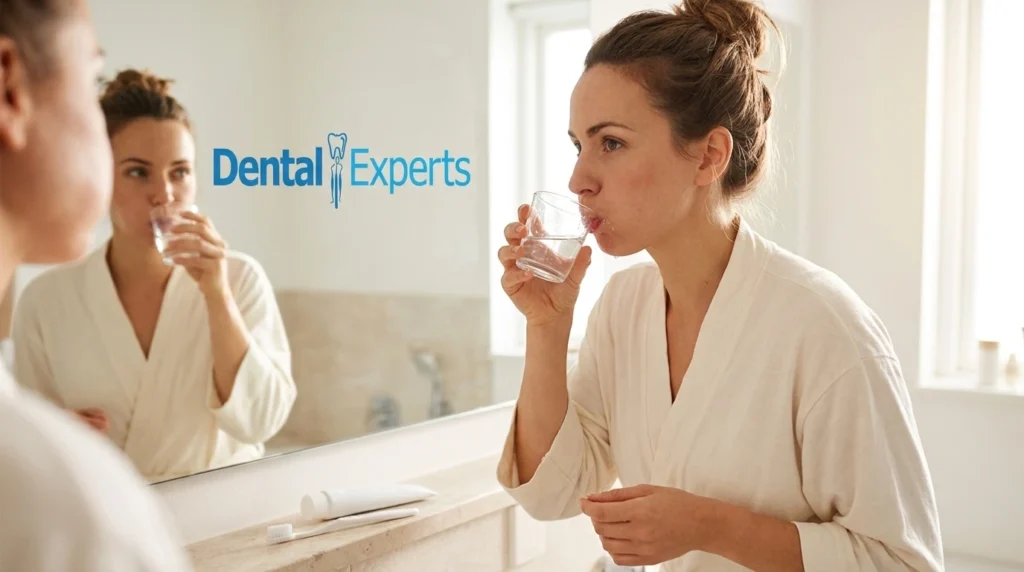
Rinse with 15 to 20 ml for a full 30 seconds, at a different time than brushing, for example after lunch, because rinsing straight after brushing washes away the concentrated fluoride your toothpaste just left behind. Do not eat or drink for 30 minutes afterward. If a mouthwash burns badly, switch to alcohol free; the burn is not proof it is working, and alcohol rinses dry the mouth, which ironically worsens bad breath by reducing saliva.
And clean your tongue. The back of the tongue hosts most of the bacteria behind bad breath, and thirty seconds with a scraper does more for morning breath than any rinse. If breath odor persists despite good brushing, flossing, tongue cleaning and a daily rinse, the cause is usually tartar under the gumline or a decayed tooth, and occasionally something beyond the mouth entirely, patterns we explained in our bad breath causes and treatment guide.
When Mouthwash Is Covering Up a Real Problem
Bleeding when you brush, gums that look red and puffy, a bad taste that keeps returning, or breath your family comments on despite rinsing daily are all signs the bacteria live somewhere a liquid cannot clear, usually in hardened tartar below the gumline. Chlorhexidine will calm it for two weeks and then the problem returns, because the tartar is still there. That cycle ends with scaling, after which a daily rinse actually can keep things stable. If that description sounds familiar, book a checkup and cleaning; it is a 30 to 40 minute visit that solves what a year of rinsing cannot.
Frequently Asked Questions
Which mouthwash is best in Pakistan for daily use?
An alcohol free daily rinse such as Listerine Total Care Zero or Colgate Plax is the practical choice for everyday breath and plaque control, ideally used at a different time than brushing.
Is chlorhexidine mouthwash safe for long term use?
No. Chlorhexidine is excellent for short courses of 1 to 2 weeks during gum infection or after dental procedures, but longer use stains teeth brown, alters taste and can increase tartar buildup.
Can mouthwash cure bad breath permanently?
Only if the odor was mild and surface level. Persistent bad breath usually comes from tongue coating, tartar under the gums or tooth decay, and those need cleaning and treatment, not rinsing.
Should I use mouthwash before or after brushing?
Neither immediately. The best time is a separate occasion, such as midday. Rinsing right after brushing washes off the toothpaste fluoride that would otherwise keep protecting your teeth.
Is salt water as good as mouthwash?
For healing, mouth sores and post extraction care, warm salt water is genuinely useful and gentle. For daily plaque and breath control, a proper therapeutic rinse does more.
